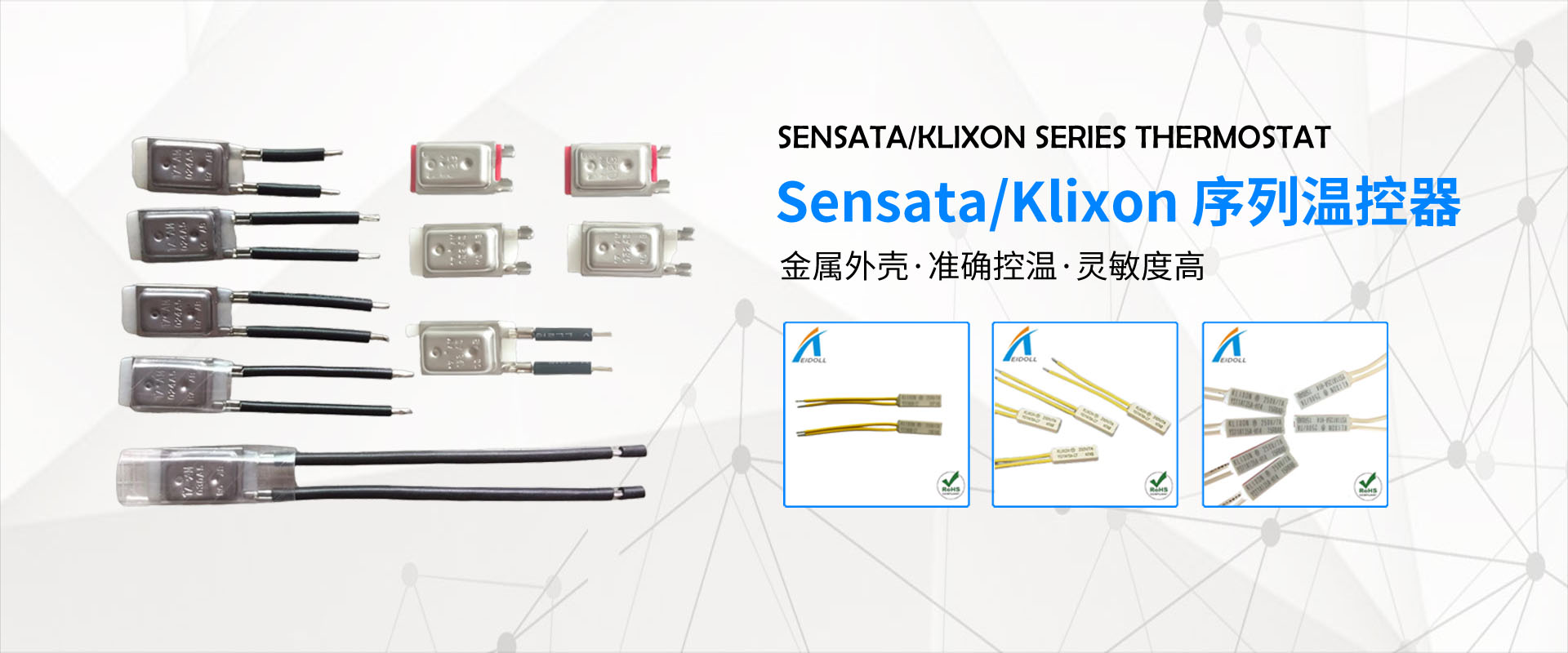

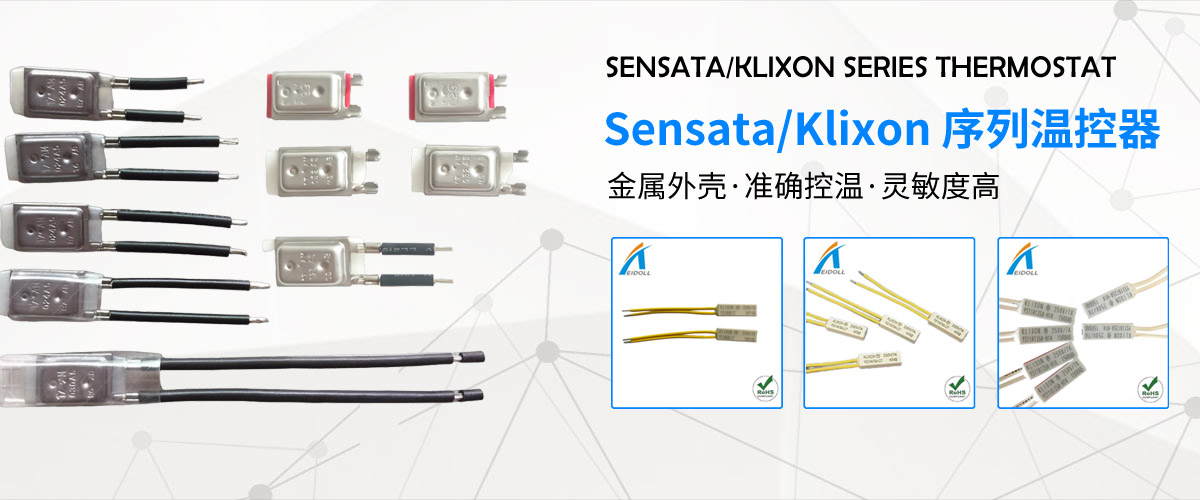
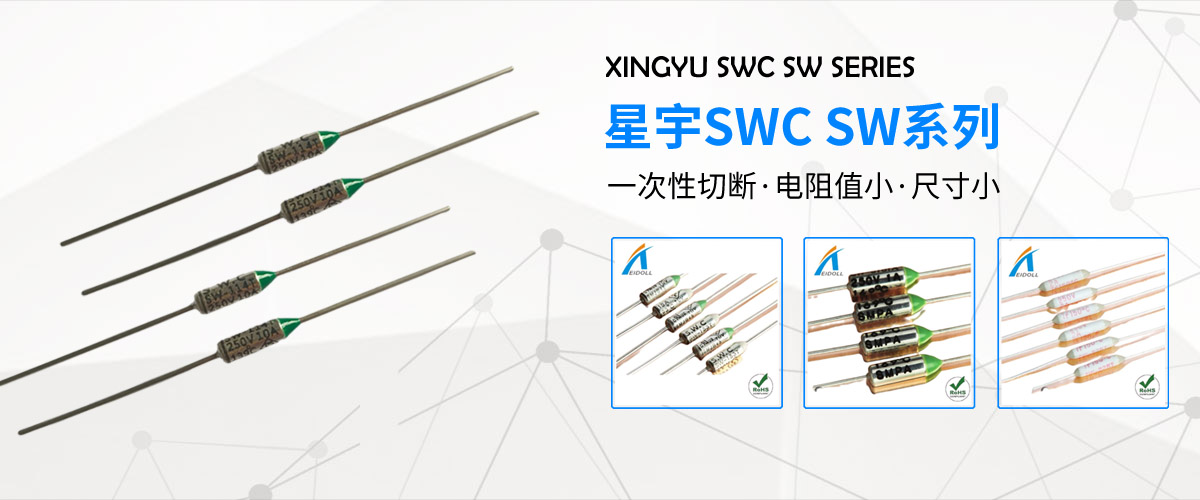
Conclusion First: 17AM201 (High Resistance) cannot directly replace 17AM021 (Low Resistance)
I. Meaning of Model Code (Distinguishing Temperature & Internal Resistance)
Three-digit coding rule for 17AM series:
- The first two digits of the last three figures stand for trip temperature; the last digit differentiates internal resistance types.
- 021: 70°C, low-resistance bimetallic strip (approx. 70Ω). Universal for motors and windings. It relies on heat generated by external windings to trigger overcurrent protection.
- 201: 70°C, high-resistance bimetallic strip (approx. 468Ω). Self-heating and self-sensing. Mainly used for low-current ballasts, thin windings and low-current circuits.
II. Core Differences & Malfunctions Caused by Improper Cross-Replacement
1. Entirely different overcurrent sensing mechanisms
- Low-resistance 17AM021: Generates negligible self-heat; protection is activated solely by temperature rise of motor windings during current overload.
- High-resistance 17AM201: The bimetallic strip produces substantial heat when current passes through it. It trips autonomously under mild current flow.
2. Two Types of Failures After Wrong Replacement
1. Replacing original 021 with 201 in motor/transformer circuits:
Under the equipment’s rated normal current, the protector generates excessive self-heat, leading to frequent false tripping, insufficient load capacity and drastically reduced power output, rendering the equipment inoperable.
2. Replacing original 201 with 021 in equipment designed for high-resistance models:
The protector barely generates self-heat during overload. Slow heat dissipation from windings delays circuit cutoff under overcurrent conditions, resulting in coil overheating, burnout and potential fire hazards.
3. Mismatched temperature rise response speed
High-resistance strips feature far higher thermal sensitivity than low-resistance counterparts. Under identical operating current, 201 heats up much faster, causing the protection threshold to deviate drastically from the original factory design specifications.
III. Conditional Temporary Compatibility (For Test Run Only; Mass Production Shipment Prohibited)
Short-term trial testing is permitted only if all the following criteria are fully satisfied simultaneously:
1. The equipment operates in an ultra-low-current circuit (≤1A, e.g. miniature ballasts);
2. Steady-state operating current remains extremely low with no full-load operation;
3. Frequent tripping and insufficient power output are acceptable;
4. Used solely for maintenance trial runs, not for delivery to end customers.
IV. Standard Proper Replacement Solutions
1. If the original 17AM021 (70°C low resistance)
I. Meaning of Model Code (Distinguishing Temperature & Internal Resistance)
Three-digit coding rule for 17AM series:
- The first two digits of the last three figures stand for trip temperature; the last digit differentiates internal resistance types.
- 021: 70°C, low-resistance bimetallic strip (approx. 70Ω). Universal for motors and windings. It relies on heat generated by external windings to trigger overcurrent protection.
- 201: 70°C, high-resistance bimetallic strip (approx. 468Ω). Self-heating and self-sensing. Mainly used for low-current ballasts, thin windings and low-current circuits.
II. Core Differences & Malfunctions Caused by Improper Cross-Replacement
1. Entirely different overcurrent sensing mechanisms
- Low-resistance 17AM021: Generates negligible self-heat; protection is activated solely by temperature rise of motor windings during current overload.
- High-resistance 17AM201: The bimetallic strip produces substantial heat when current passes through it. It trips autonomously under mild current flow.
2. Two Types of Failures After Wrong Replacement
1. Replacing original 021 with 201 in motor/transformer circuits:
Under the equipment’s rated normal current, the protector generates excessive self-heat, leading to frequent false tripping, insufficient load capacity and drastically reduced power output, rendering the equipment inoperable.
2. Replacing original 201 with 021 in equipment designed for high-resistance models:
The protector barely generates self-heat during overload. Slow heat dissipation from windings delays circuit cutoff under overcurrent conditions, resulting in coil overheating, burnout and potential fire hazards.
3. Mismatched temperature rise response speed
High-resistance strips feature far higher thermal sensitivity than low-resistance counterparts. Under identical operating current, 201 heats up much faster, causing the protection threshold to deviate drastically from the original factory design specifications.
III. Conditional Temporary Compatibility (For Test Run Only; Mass Production Shipment Prohibited)
Short-term trial testing is permitted only if all the following criteria are fully satisfied simultaneously:
1. The equipment operates in an ultra-low-current circuit (≤1A, e.g. miniature ballasts);
2. Steady-state operating current remains extremely low with no full-load operation;
3. Frequent tripping and insufficient power output are acceptable;
4. Used solely for maintenance trial runs, not for delivery to end customers.
IV. Standard Proper Replacement Solutions
1. If the original 17AM021 (70°C low resistance)